
Solitaire history is easiest to trust when it sounds like advice from an actual player, not a manual. On Free Solitaire Online, the goal is simple: give readers a useful reason to open a solitaire and keep going after the first awkward move.
This piece takes the card culture writer angle. It stays close to the board, explains the small decisions that matter, and keeps the old story of solitaire in view without turning the post into a dry museum label.
Where Solitaire history really starts
Solitaire comes from the older patience-card tradition and reached mass digital popularity when computer versions made the game available to almost everyone. That history matters because the best puzzle formats rarely arrive fully formed. They travel through newspapers, books, card tables, classrooms, websites, and ordinary players who keep asking for one more round.
For readers, the origin story is more than trivia. It explains why solitaire still feels familiar even when the screen, timer, or clue style changes. The format leaves room for habit. A player can return after a week away and still know where to begin.
Why Solitaire history feels useful to real players
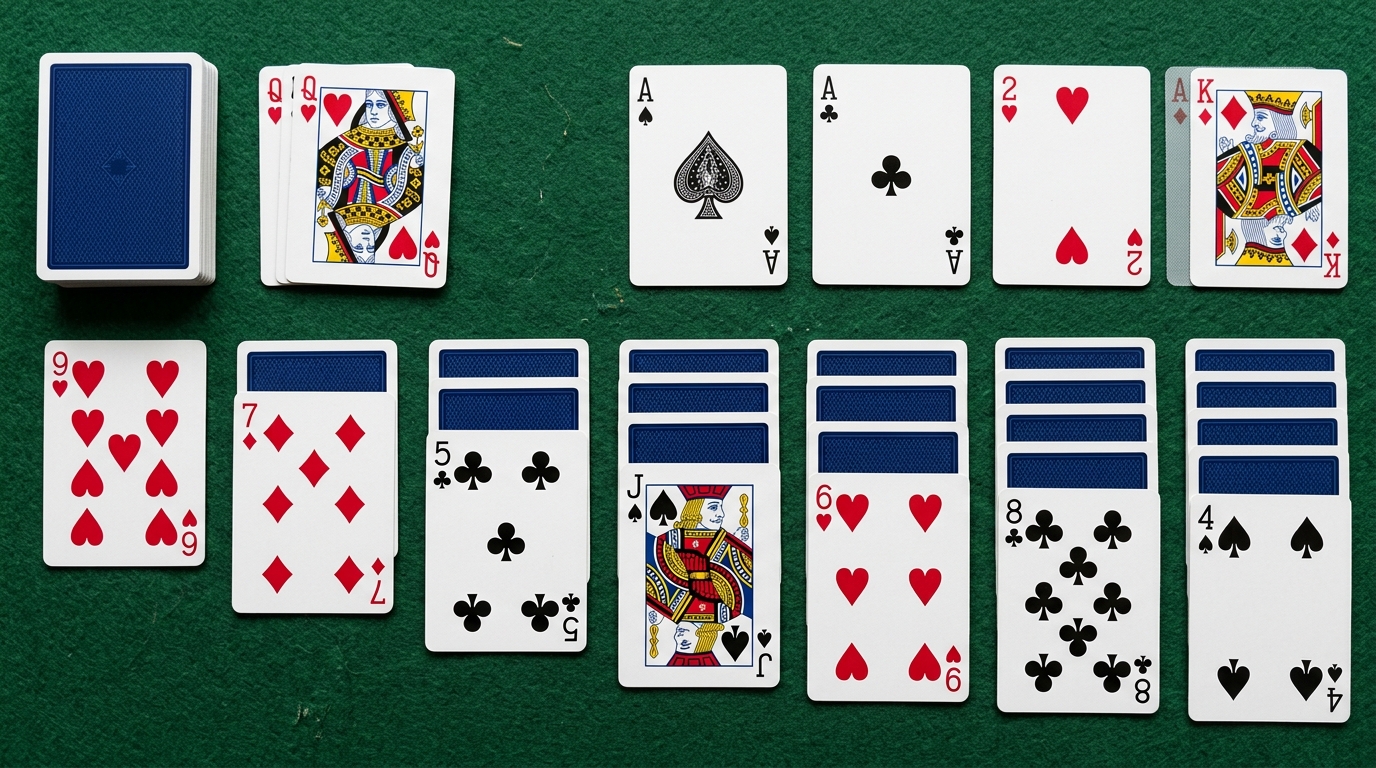
A solitaire player learns that a clean-looking move is not always a useful move. The tableau may look tidier while the hidden cards remain trapped. This is where Solitaire history becomes more than a phrase. It describes the exact moment when a player wants a cleaner way to continue.
The useful habit is to ask what a move reveals. If it uncovers a card or opens a better column, it probably matters. If it only looks finished, wait. A good solitaire post gives that kind of instruction. It sounds practical because the advice can be tested on the next board, not someday after the reader becomes an expert.
How to use Solitaire history during a real game
Solitaire history becomes practical when the advice is small enough to use during a real game. The reader should not need a notebook beside the screen. One or two better habits should be enough to make the next solitaire feel less random.
The list below is intentionally plain. It is the kind of advice a regular player can try today without changing the way the site works or turning a casual puzzle into homework.
- Uncover hidden tableau cards before making cosmetic foundation moves.
- In draw-three games, remember that waste-pile order matters across later passes.
- Do not move every ace or two immediately if it removes a card you still need.
- Use empty tableau spaces for kings that open the most buried cards.
- Replay a loss mentally for one move. The lesson is often visible.
Solitaire history and the player habit behind it
That habit is where Solitaire history stops sounding like a keyword and starts sounding like useful advice. A reader should leave with a next move, not a lecture. The board should feel a little more readable, even if the game is still hard.
Experienced players often talk about puzzles as if success comes from instinct. Instinct helps, but most of it is repeated attention. The player looks, checks, resists a tempting move, and lets the board give up one more clue.
One useful way to test Solitaire history is to play a fresh round and change only one habit. If the game feels a little less messy, keep that habit. If it does not help, drop it and try another.
How Free Solitaire Online can make Solitaire history easier to follow
On Free Solitaire Online, the strongest guide sends the reader back to the game with a clearer plan. That is especially true for solitaire, where the next move often matters more than a long explanation.
The page should leave some air around the advice. Short paragraphs, visible headings, one useful image, and a few honest links make the post easier to scan. Readers can take the part they need, then return later when the same problem appears again.
The phrase Solitaire history should feel like a thread through the article rather than a label pasted on top. If the reader remembers one habit from the piece, the wording has done its job.
Useful next reads for Solitaire history
If the next step is playing, start with Free Solitaire Online main page. If the reader wants a few related posts before opening another game, the site search page is a natural follow-up: more solitaire articles on Free Solitaire Online.
For outside context, two useful references are Bicycle Cards on Solitaire and David Parlett on patience games. They are worth opening when a reader wants the background behind the game, its rules, or its puzzle culture.
What to remember about Solitaire history
The story behind Solitaire history is a reminder that durable games do not need to get louder every year. They need a shape players recognize, a fair challenge, and enough variation to make tomorrow’s puzzle feel worth opening.