
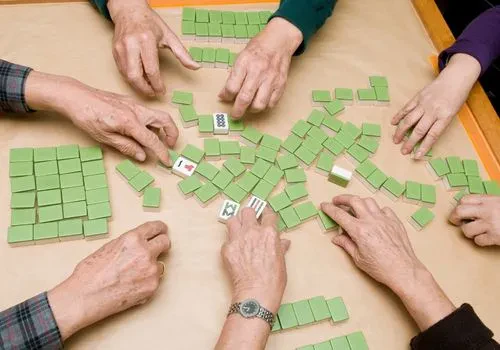

Playing mahmy may feel like a riddle on a riddle, but it doesn’t have to be like that. This manual explains how points in the four systems you will meet largely: Hong Kong/Cantonese, Chinese official (MCR), Japanese Riichi and American (NMJL).
We will include what they share (draw themselves off, bonusing, limiting) and what is unique (fan/han/fu or reading NIJL cards). Select the rules your group uses, keep a nearby fraud site, and you will be confident in the next round.
Big painting: Same drawing
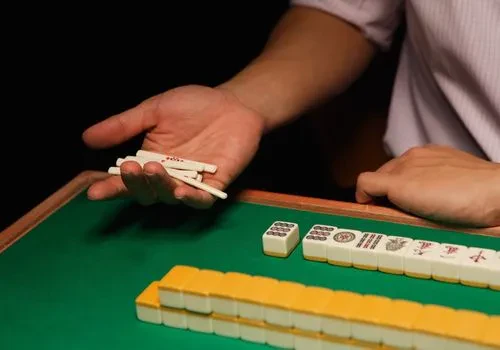
Through the rules, the same logical argument appears. One wins the hand, another pays. If you win when thrown out, the throwaway usually pays more; if you win by drawing yourself, each opponent pays, and the sum is usually higher. The seller (in East) is also a modification: the winner usually makes more money, and the buyer may have to pay more money.
Most tables also use caps or hand restrictions to prevent the number of fugitives. Another popular theme is minimal to win, such as yak/han, a minimum dot. In the US Mahjong, the minimum is determined by the print line on the annual card.
Before you start, you agree on table costs, bonuses (e.g.g., self-drawn, air force, flowers/dora uses), and round of rules. Once it’s clear, you can move any valid hand into score quickly and consistently.
Various Remediation Methods in Majong
Now you’ve got general ideas, let’s see how they work in the real rules of four general systems:
Hong Kong/Presse (Old HK style)
Hong Kong (Cantonese) scores with fans (faan). These are the units you earn from the shape of your winning hand. Before starting, the board agreed with the minimum fans to win (about one to three). You then add fans from common sources such as the Pungs Dragon, possess or popularize the Winds of the Pings, the hidden hand, self-painting, all mixed or pure hand, kongs, and any flower you plan.
After completing the fan section, you convert the fan into points using the table’s fan chart or the plan doubles. Most groups also apply modifications:
- Sharer (eastern): Buyers often win more; buyers often pay more.
- Win method: Draw yourself often increases what other people pay; throw away the fees that people spend more.
- Uppercase: Many hands were limited or points to control very high scores.
The stability is once you know the chart: On a walk-off victory, the go-away usually pays the larger part; on a self-drawn victory, all opponents pay. The exact number differs according to the rules of the family, so confirm the minimum fan, the conversion board, whether flowers count or not, and any lid before playing.
China/MCR Government Activity
The system uses a point-based system built from the record of notes (also known as “81 acres). To win, your hand must total at least 8 points from these elements before you claim mahjong. After winning, you add all the application elements such as specific links, matching patterns, hand status, and method of winning (drawn, final brick, etc.).
Some combinations are high value, and have the hat limit at the maximum point. MCR often plays with 136 tiles (no flower/Seasons), so all come from the hand structure and how you win. The stability is clear: if you win when you’re thrown out, the throwout will pay enough. If you win by drawing yourself, all opponents will pay. There was no bonus money for the dealer at MCR, so that position did not change the salary. In fact, you:
- Check your hand for eight points minimum.
- Total all valid override factor,
- Apply any button, and
- Settle in the winning method.
How does Riichi in Japan work?
Riichi asks at least a yaku to win, without yaku, you cannot ask for a hand even if it is finished. The hand value is measured in han (from yaku and Dora) and fu (from the shape of the hand, waiting, and whether it is hidden). You compute fu (conquering to 10) and then compute basic points using a standard formula. The results were of high value then jumped down to limit strings such as mangan, haneman, caiman, Sanbaiman, or yakuman.
The stability depends on how you win and where you sit: a neuron (two times over a drop) is paid entirely by quitters, while a ttsumo (draw) is divided between opponents, with sellers who pay or receive more. The wages were taken from the tables and turned into 100. Declaring your hand riichi but supplementing the potential yaku and access to ura-dora; Dora add han but not his own yaku.
American sculptures
The American marker is based on the card: only the hand printed on the NMJL card is valid, and each line shows its score value. To score, your 14 bricks must match a line precisely, regardless of whose hand is hidden or exposed. There are no fans and maths; once you declare “Mah Jongg!”, you take print value for that line.
House Principles set, but a common approach is: On a win-off (Cron), the go-away pays double and two others pay the wages by themselves; on one option (sumo), all three opponents pay double. Many tables also use bonus bills (e.g., twice) or special notes on the current tab. With this system, you have to remember:
- The clown is just wild for three or more (not in pairs or single)
- Flowers are requested by several lines (they don’t score themselves)
Before you play, agree on the one-year card, table stake, and any reward.
Common Error

You’ve seen how each principle deals with points; now comes the part where most players slide. Even when basic down, minor errors in counting, calling, or reading rules can be very high prices. These are the most common mistakes to see:
- Forget about the minimum point to win (HK faan, MCR 8 points, Riichi yku).
- Miscalculation of elements that cannot be stacked.
- Ignore the dealer’s modifications and similar drawing ignore the difference in payment.
- Misreading the NMJL (color shows group, not brick colour).
- Using illegal clowns in American mahre (not for pairs or singles).
- Treating the Chinese/ Dora alike on the rules; their roles vary greatly.
- Ignored rules agreed to have caps/limits (e.g., Riichi up to 100).
- Call a brick that you cannot legally use (the hidden lines, the wrong size, cannot be changed).
- Mix the rules from different versions rather than confirm the table rules.
- If you don’t check your hand before making a statement, you can be executed.
Ready to get a better score? Play a fast online game
Starting a fast online mahore ring is a great way to do better in the game. Rectangular identification, wind/Dagons, and dot samples. These are faster business skills. Set a two-minute clock, clear a layout, then ask yourself: Which bricks appear mostly, which leaves looking safe?
Two or three bite-sized episodes increase speed without pressure. When you’re ready, bring that confidence back to the next game of mash. Try it!